Professional Experience at a Glance
- 30+ years in law enforcement: Experience spanning corrections, local law enforcement, and federal service.
- U.S. Border Patrol: Served from December 1995 through July 2026, with assignments in California, Florida, New York, and West Virginia.
- Leadership and supervision: Experience supervising personnel, coordinating operations, developing training, and supporting professional development.
- Investigations and intelligence: Background in investigative support, intelligence operations, asset forfeiture, and interagency collaboration.
- Education: Associate degree through the Board of Governors program at Blue Ridge Community and Technical College.
A Career Built on Service
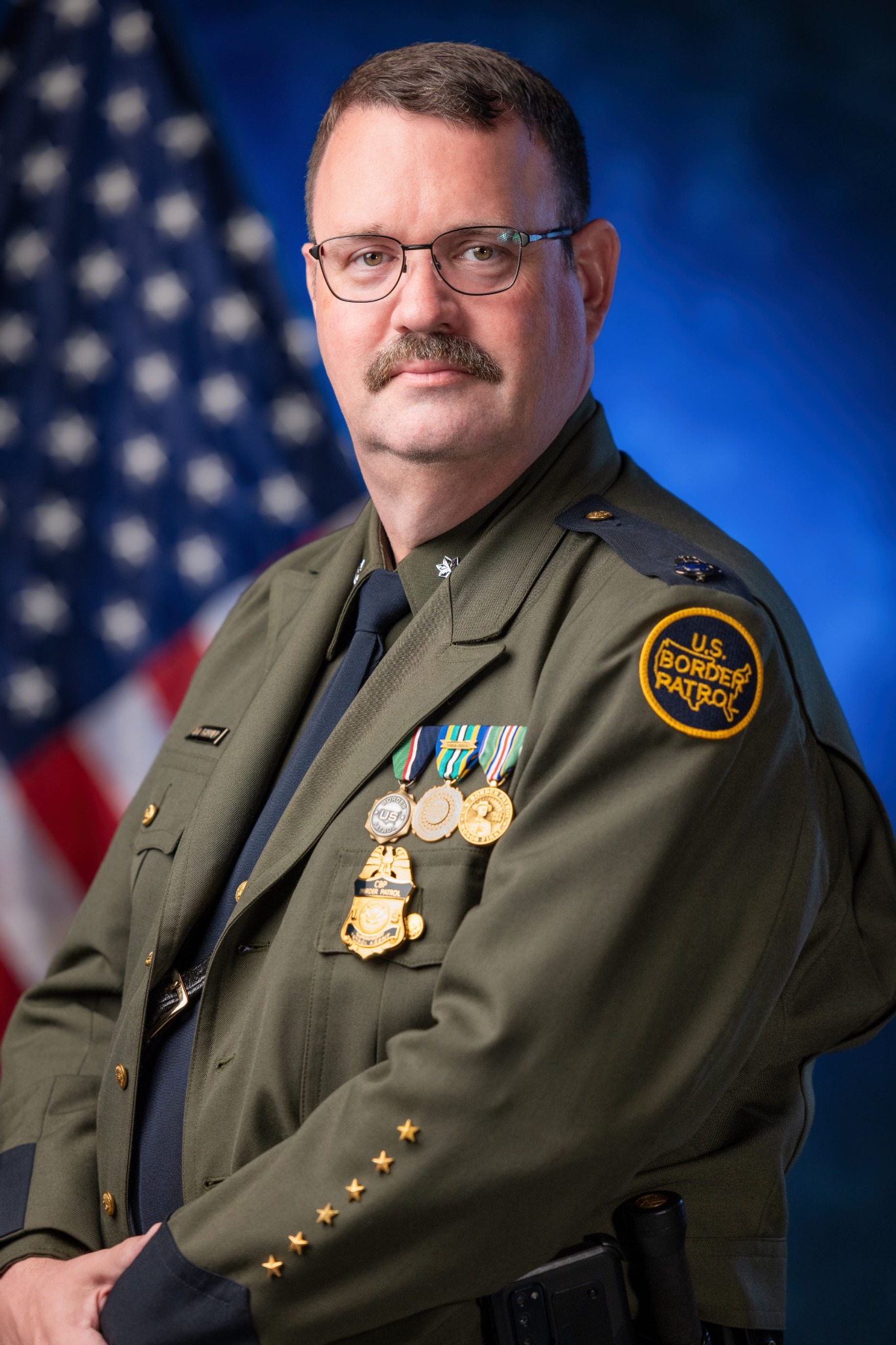
For more than 30 years, my professional life has been dedicated to public service, law enforcement, leadership, and working alongside people from different backgrounds and communities.
My career began in Florida in 1993, working in corrections and local law enforcement. Those early experiences gave me a foundation in public safety, community policing, traffic enforcement, crash investigations, and the importance of understanding the people we serve.
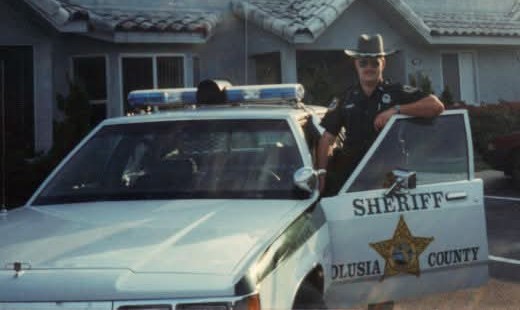
In December 1995, I joined the United States Border Patrol. Over the next three decades, I had the opportunity to serve in several locations, including California, Florida, New York, and ultimately West Virginia. My assignments exposed me to many different aspects of law enforcement, from frontline operations and intelligence to investigations, asset forfeiture, training, supervision, and organizational leadership.
My work included helping establish an advanced training program at a Border Patrol station in California, supporting criminal investigations and asset forfeiture cases in Florida, and supervising intelligence personnel and programs in New York. I also worked with other federal, state, and local agencies on investigations and enforcement initiatives, including joint efforts involving specialized investigative teams and intelligence resources.
In West Virginia, I served in several leadership and training roles, including supervising training operations, developing instructional programs, coordinating activities across organizational boundaries, and helping prepare law enforcement personnel for complex operational situations. I also had opportunities to work on administrative and organizational projects that required coordination with different offices, agencies, and leadership teams.
Those experiences taught me that law enforcement is rarely a one-person or one-agency effort. Investigations, operations, training, and public safety initiatives often depend on people with different responsibilities and areas of expertise working toward the same objective. I learned the importance of building relationships, sharing information, understanding the capabilities of others, and finding ways to work together.
My career gave me a broad perspective on public safety and the many responsibilities that support it. Effective law enforcement requires much more than responding to calls or enforcing the law. It requires preparation, sound judgment, communication, coordination, collaboration, and the ability to recognize that the best results often come from working as a team.
I retired from federal service in July 2026. I am grateful for the opportunities, experiences, challenges, and people who helped shape my career. Those experiences continue to influence how I approach leadership and how I believe public safety organizations should serve their communities.
Leadership, Experience & Professional Development
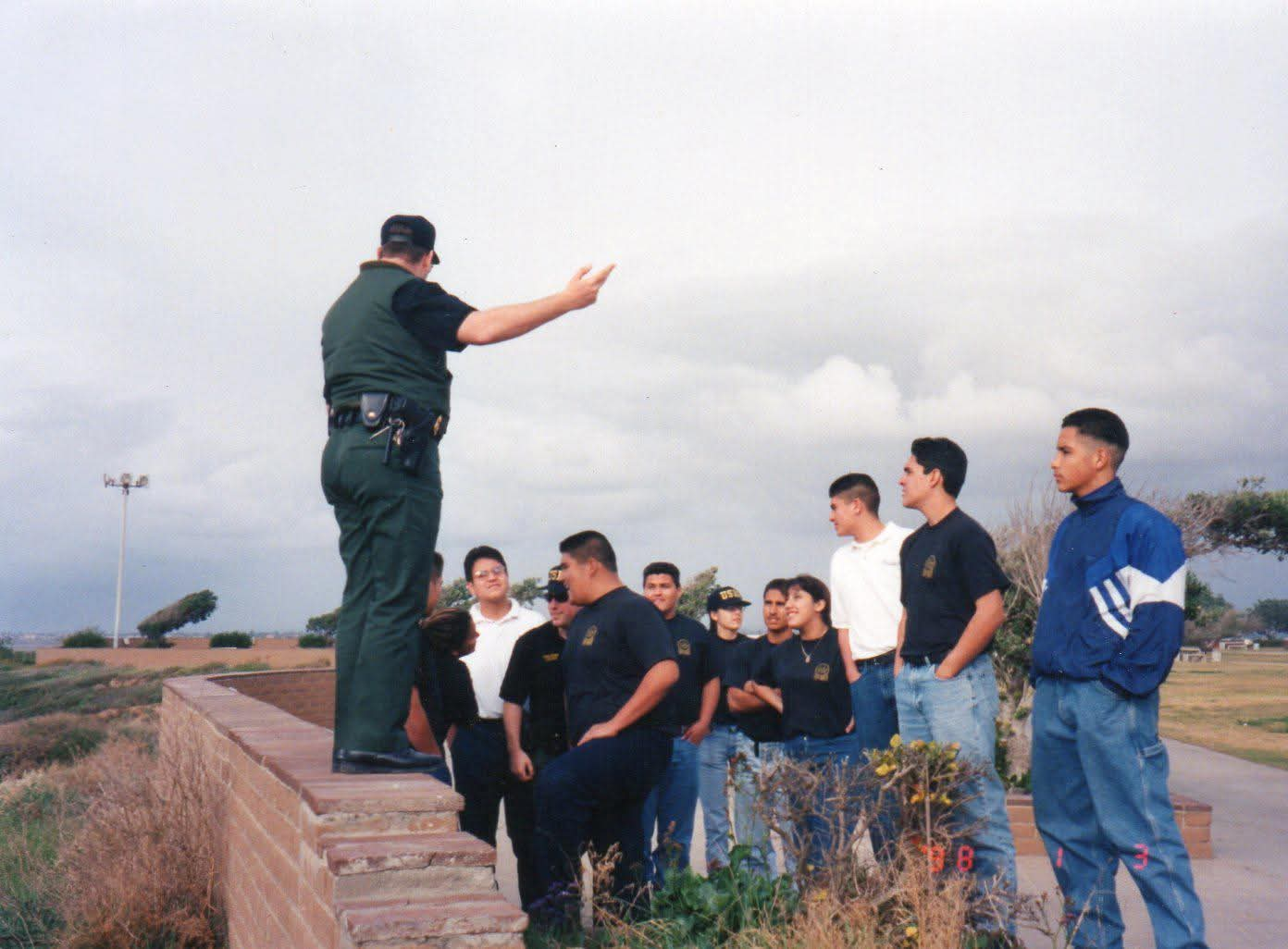
My career provided opportunities to lead teams, develop training programs, improve organizational processes, and work alongside federal, state, and local law enforcement partners.
I have served in supervisory and leadership positions involving intelligence operations, investigative support, training development, scheduling and operations, and administrative oversight. I have supervised both law enforcement officers and civilian employees, worked with multidisciplinary teams, and collaborated with other agencies on complex investigations and operational initiatives.
Some of my responsibilities included:
- Supervising personnel and supporting their professional development.
- Developing and improving law enforcement training programs.
- Coordinating operations and resources across organizational boundaries.
- Supporting intelligence, digital forensics, and investigative programs.
- Working with prosecutors and partner agencies on criminal investigations and asset forfeiture matters.
- Building relationships with other agencies and organizations.
- Identifying opportunities to improve procedures, accountability, and efficiency.
I have also had the opportunity to serve as an instructor and course developer, helping prepare employees for the responsibilities and challenges of their work. I have worked on training programs for both operational and administrative personnel, including developing instruction for specialized law enforcement responsibilities.
I believe training should have a purpose beyond checking a box. It should provide people with the knowledge, confidence, and practical tools to do their jobs effectively. Good training also recognizes that people learn from experience, from one another, and from the challenges they encounter in the field.
One of the most important things I have learned about leadership is that being in charge does not mean you have all the answers. No one person can know everything, and recognizing that is a strength, not a weakness. Sometimes the best thing a leader can do is listen to someone who has more knowledge or experience in a particular area.
A good leader should be comfortable saying, "I don't know, but let's find someone who does." Leadership does not mean having to do everything yourself or making every decision in isolation. It means bringing the right people together, recognizing their strengths, listening to their perspectives, and allowing them to contribute. Being responsible for the team does not mean you stop being part of the team.
Professional development has remained important to me throughout my career. In 2023, I earned an Associate of Applied Science degree through the Board of Governors program at Blue Ridge Community and Technical College here in Martinsburg. The Board of Governors degree recognizes the value of life experience, professional experience, and learning gained outside a traditional classroom. Returning to the classroom later in my career reinforced something I have always believed: learning does not stop when we leave a training room or reach a certain position. There is always something more to learn.
Community Involvement & Service
Public service does not begin and end with a job title. Some of the most meaningful opportunities to make a difference come from volunteering, mentoring, supporting local organizations, and simply being present in the community.
My involvement in community service began long before I moved to West Virginia. Over the years, I have participated in youth mentoring and public safety programs, including law enforcement Explorer programs and Youth Crime Watch of America. I have also served as an advisor and mentor to young people interested in learning more about public safety and the responsibilities that come with it.
I believe young people deserve positive role models, opportunities to learn, and adults who are willing to invest time in their development. Mentoring is not about telling someone what to do. It is about listening, sharing experiences, helping them consider their choices, and giving them the opportunity to develop confidence and sound judgment.
Since moving to Berkeley County in 2015, I have continued looking for ways to become involved and give back to the community that has become home.
My current community involvement includes:
Fraternal Order of Police — Panhandle Lodge #83
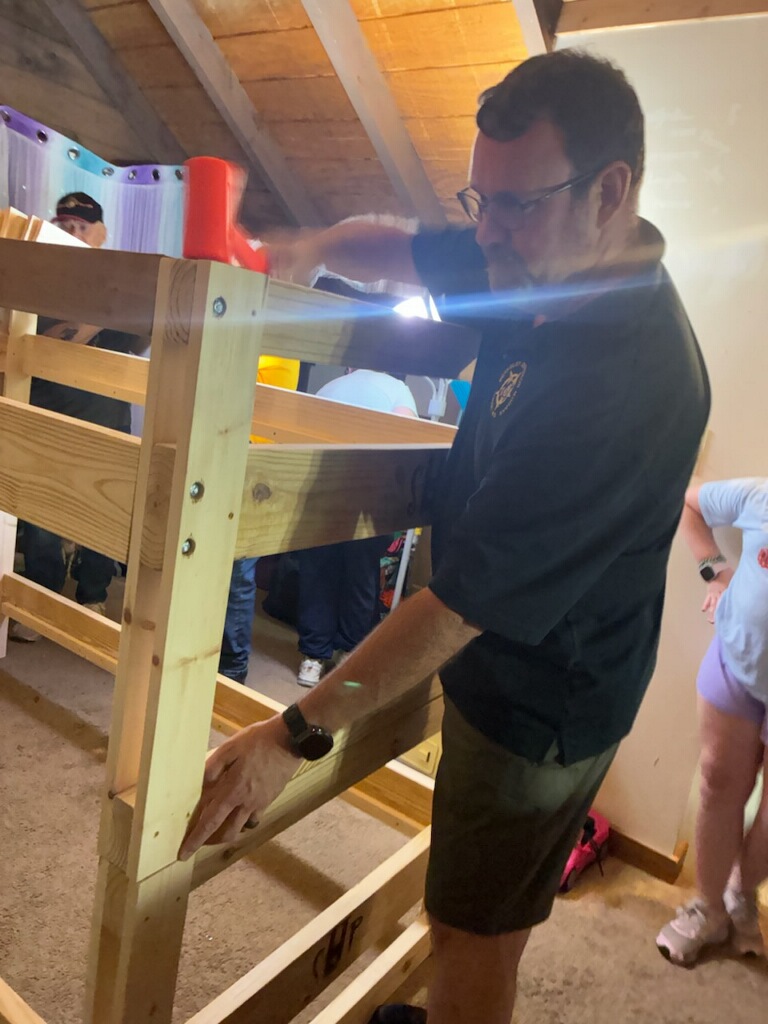
I am an active member of Panhandle Lodge #83 and currently serve as its Treasurer and Chair of the Fundraising Committee. I helped establish the fundraising committee and worked alongside lodge members and associate members to plan and coordinate the lodge's first annual Gun Bash.
The event was a team effort, bringing people together to support the lodge's charitable and community programs, including its longstanding Santa With A Badge tradition. That tradition has provided opportunities to give back to children and families throughout the Eastern Panhandle for more than 30 years.
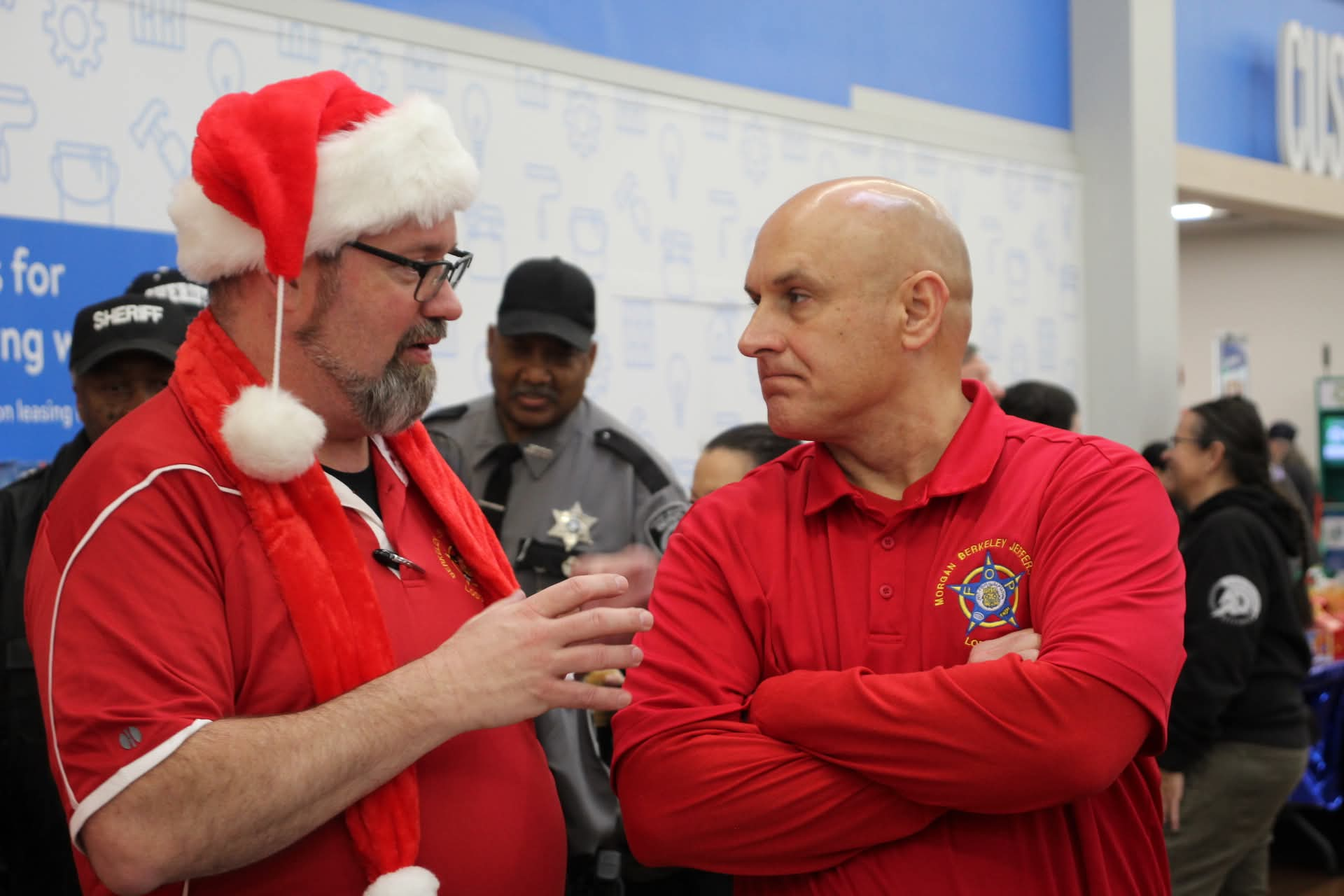
Junior Mentoring Program of West Virginia
I serve on the Board of Directors for the Junior Mentoring Program of West Virginia. I believe investing in young people is one of the most meaningful ways we can strengthen our communities. Positive relationships, guidance, and encouragement can make a lasting difference in a young person's life.
501st Legion — Vader's Fist
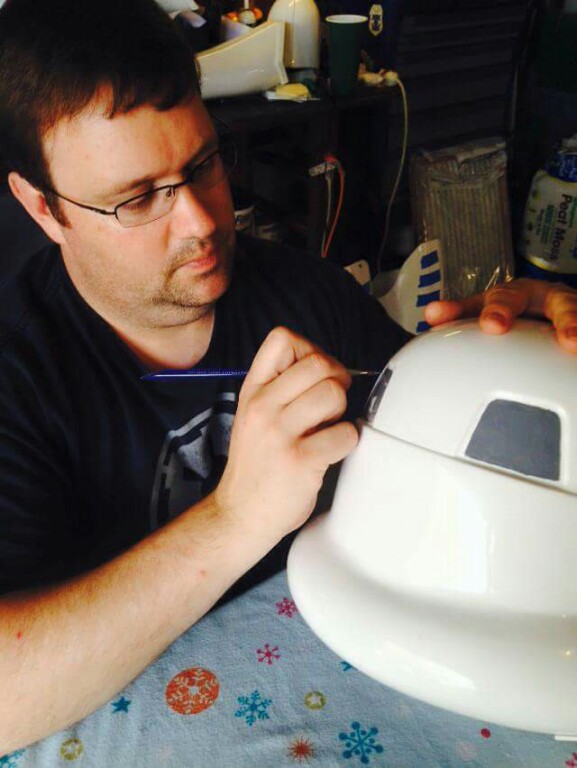
I am also a member of the 501st Legion, an international Star Wars costuming organization. While the costumes and characters may be what people notice first, the organization's mission extends beyond the hobby. Members volunteer their time to participate in charity events, community appearances, fundraising, and activities that bring enjoyment to children and families.
I believe community involvement should be meaningful. It is easy to say yes to every opportunity, but time and attention are limited resources. I would rather make a genuine commitment to a few organizations and give them the time, energy, and attention they deserve than spread myself too thin. Knowing your own limits is not a weakness; it is part of understanding your responsibilities and making sure you can follow through on the commitments you make.
I do not believe community involvement has to be complicated or accompanied by recognition. Sometimes it is simply showing up, lending a hand, or encouraging someone else to become involved. Those moments matter.
A Philosophy of Leadership & Accountability
Over the years, I have learned that leadership is not defined by a title, a position, or the number of people who report to you. It is demonstrated through decisions, actions, accountability, and the way you treat people.
I believe effective leadership starts with paying attention. Listening is important, but so is observing what is happening around you, recognizing when something is not working, and understanding what people may not always say out loud. Everyone has a perspective shaped by their own experiences, responsibilities, and challenges. Before making a decision or addressing a problem, it is important to understand what is happening, gather the facts, observe the circumstances, and hear from the people who know the issue firsthand.
I also believe employees deserve clear expectations, appropriate support, and the resources necessary to do their jobs. Leaders should be willing to listen to constructive criticism, recognize when they are wrong, and take responsibility for their decisions. Accountability cannot be something we expect from others while avoiding it ourselves.
My approach to leadership is grounded in four principles:
**Accountability.** Taking responsibility for our decisions, our actions, and our obligations to the people we serve.
**Communication.** Listening, sharing information, setting clear expectations, and making sure people understand not only what decisions are made, but why.
**Coordination.** Bringing people, resources, and responsibilities together so that efforts are organized and working toward common objectives.
**Collaboration.** Building relationships, sharing knowledge, and working with employees, other agencies, organizations, and community members to find solutions.
I believe these principles are interconnected. Without communication, accountability becomes difficult. Without coordination, resources and efforts can be wasted. Without collaboration, we miss opportunities to learn from one another and accomplish more together.
I also believe leadership requires the willingness to make difficult decisions. Listening to others and considering different perspectives does not mean avoiding responsibility. A leader must gather the facts, consider the available information, make a decision, and accept responsibility for the outcome.
Responsible leadership also means understanding your own capabilities and limitations. No one person can do everything, know everything, or be everywhere at once. Recognizing when to rely on others, delegate responsibilities, seek additional information, or reassess priorities is essential. It is just as important to make thoughtful commitments as it is to follow through on them.
Serving Berkeley County
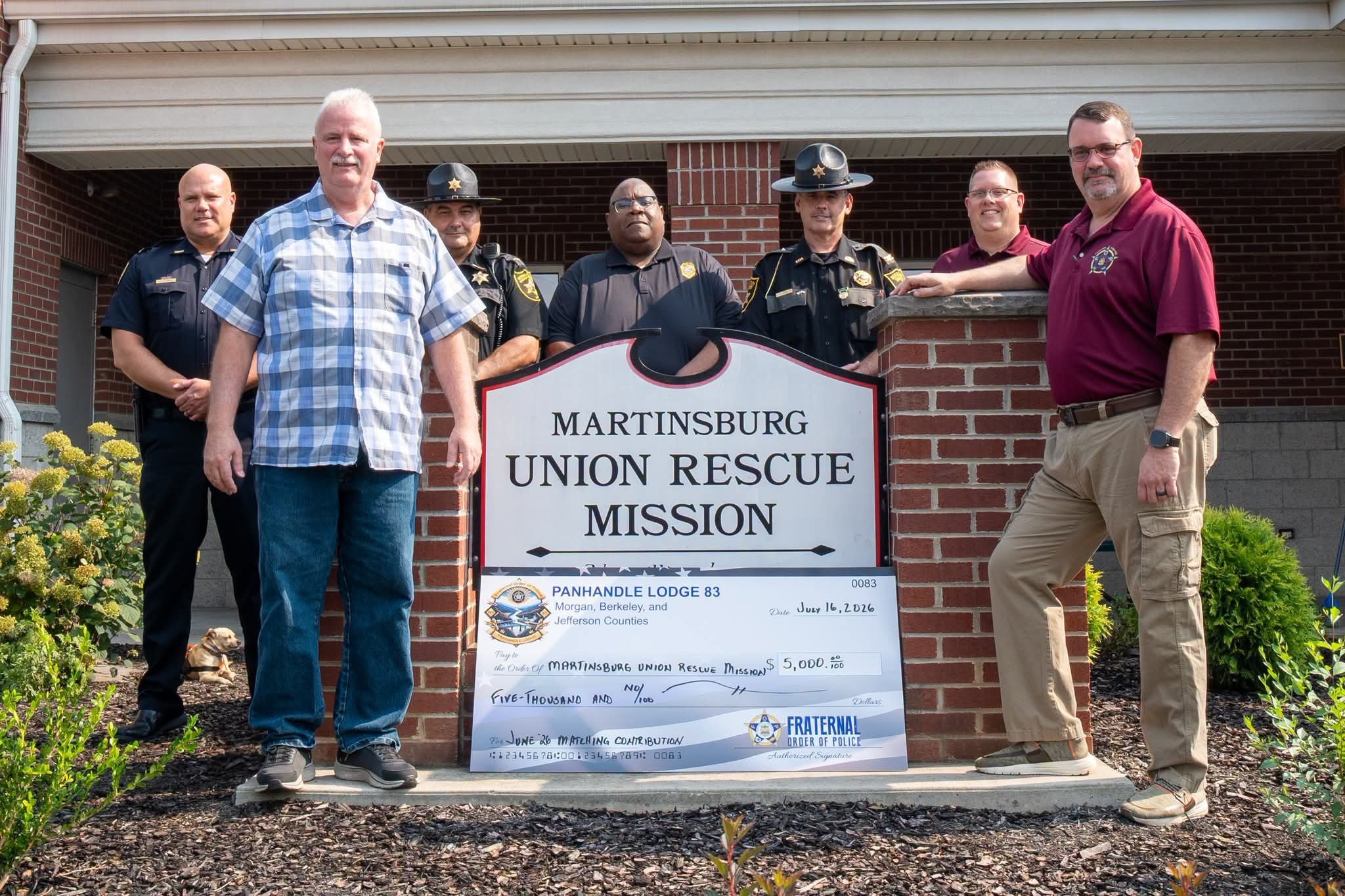
I moved to Berkeley County in 2015, and over the years this community has become home. I am proud to be part of the Eastern Panhandle and want to see our communities continue to grow and thrive.
My professional experiences have given me an appreciation for the many responsibilities involved in running a public safety organization. A Sheriff's Office is more than patrol operations. It includes multiple divisions, employees with different responsibilities, administrative functions, and relationships with the courts, other agencies, and the public.
Those responsibilities are interconnected, but each area also has its own unique requirements, challenges, and expertise. Understanding how those divisions operate independently and how they work together is important. Resources must be used responsibly, employees must be supported, and the organization must remain accountable to the people it serves.
I also recognize that I do not have all the answers, and I have much to learn about the specific needs, operations, and challenges facing the Berkeley County Sheriff's Office. I don't believe a person has to pretend to know everything to be an effective leader. What matters is being willing to listen, ask questions, learn from the people who have the experience, and build a team with the knowledge and skills needed to move the organization forward.
The Sheriff has a responsibility to provide direction, make decisions, and accept accountability. But that does not mean the work happens alone. With the right people working together, employees who are supported and valued, strong partnerships, and the support and involvement of the community, we can accomplish far more than any one person could accomplish individually.
I also recognize that every community has its own needs, concerns, and expectations. I don't believe in arriving with predetermined answers or making promises before understanding the issues. I believe in listening, gathering the facts, working with the people who know the issues, and making informed decisions that serve the best interests of Berkeley County.
I am running for Sheriff because I want to continue serving in a way that makes a positive difference. I want to help build relationships, strengthen the organization, support the people who work within it, and contribute to a community where residents feel heard and respected.
Ultimately, I believe public service is about the positive impact we have on others. We may never know the full effect of a conversation, an opportunity, a helping hand, or a decision made at the right moment. But that should never stop us from trying to make a difference.
My commitment is to listen, learn, work together, and always strive to leave things better than I found them.
— Jeremy Farner